Presence Service – Samsung Electronics
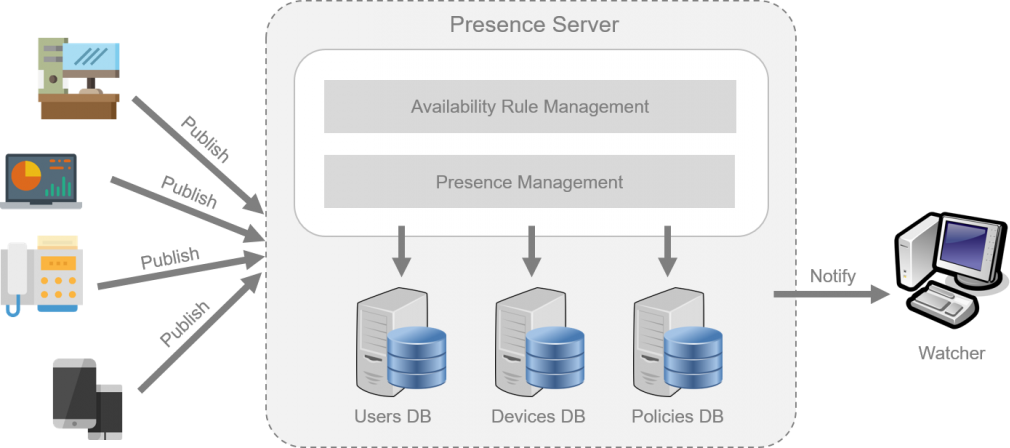
Samsung Electronics adopts Altibase for its presence service which accepts,
stores and distributes presence information of users' location and status.
- Use Case
- Presence service
- Current Customer
- Samsung Electronics
- Industry
- Telecommunications
Who
home appliances to smartphones.
Samsung Electronics also competes in the global telecommunications equipment market. Its competitors include
Ericsson, Nokia and Huawei.

Problem
providers. Presence service is a service that receives and stores user information and confirms presence and location of online presence.
It is a service requiring a high level of stability and zero tolerance of even a momentary error or interruption. Samsung Electronics found its existing legacy
disk-resident databases incapable of meeting its needs.
The new DBMS should be capable of handling such complex queries as redirection and proxying in real time while providing a high level of stability.
No data should be lost while it is collected and transmitted to presence servers
The collection of user state information delivered to the presence server and the data transmission should not be lost.
The new DBMS should be highly scalable and be able to handle large sets of data. In providing presence service,
it is often the case that a large volume of messages causes a considerable burden on the network.
The legacy disk-resident DBMSs proved to be incapable of meeting the requirements particularly when data has to be stored,
manipulated and processed in real time.
Results
The new DBMS should be capable of handling such complex queries as redirection and proxying in real time while providing a high level of stability.
No data should be lost while it is collected and transmitted to presence servers
The collection of user state information delivered to the presence server and the data transmission should not be lost.
The new DBMS should be highly scalable and be able to handle large sets of data. In providing presence service,
it is often the case that a large volume of messages causes a considerable burden on the network.
The legacy disk-resident DBMSs proved to be incapable of meeting the requirements particularly when data has to be stored,
manipulated and processed in real time.